


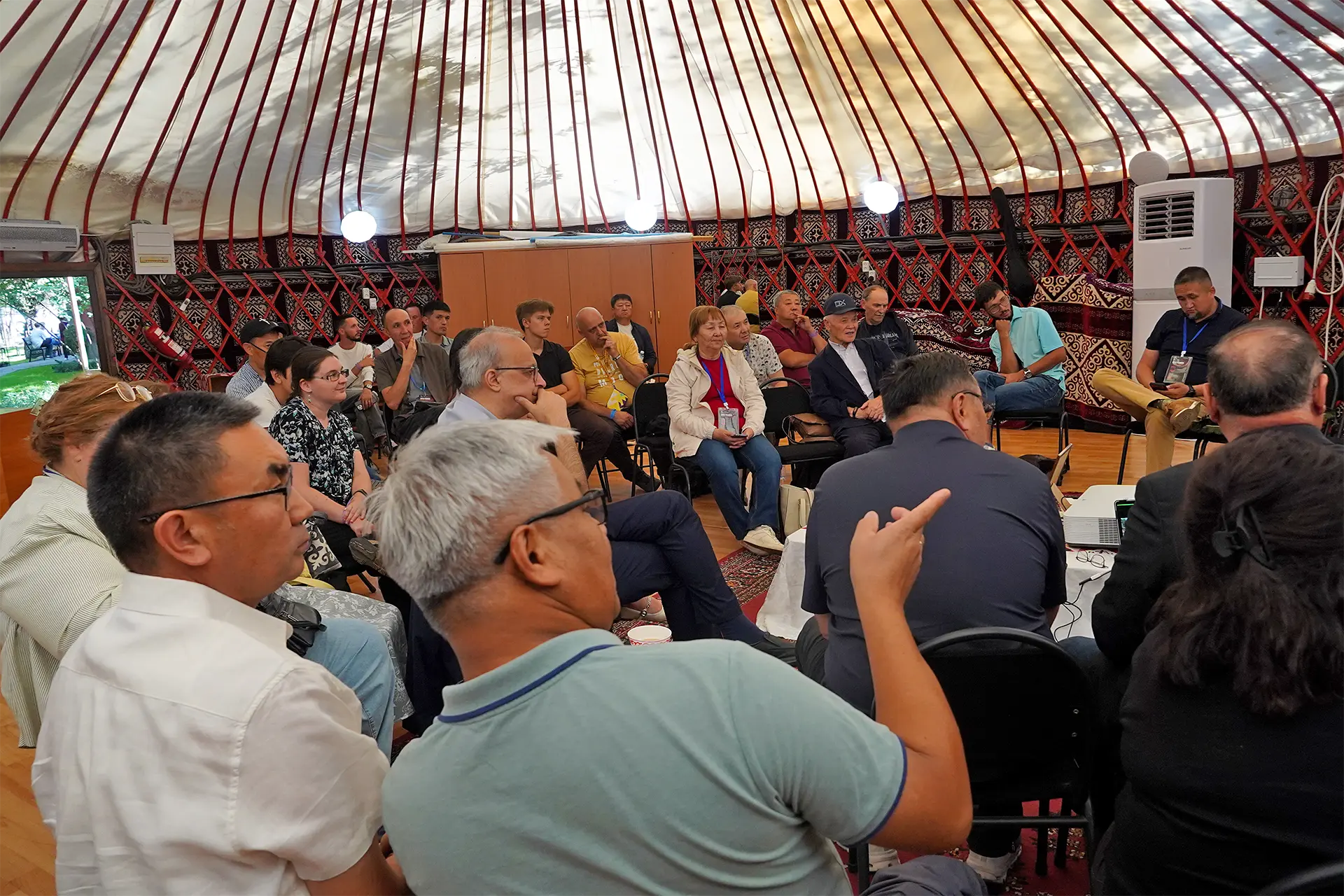
From September 8 to 10, 2026, the large-scale Central Asian Evangelical Alliance (CAEA) Conference took place in Almaty. During these days, the southern capital of Kazakhstan became a gathering place for hundreds of pastors, key ministers, and leaders of Christian communities from Kazakhstan, Uzbekistan, Kyrgyzstan, Tajikistan, and Turkmenistan. The meeting, held at the "Agape" Evangelical Center (145 Turkebaev St.), was dedicated to a profound reflection on the role of the Church in modern society, the strengthening of partnerships between ministers from different countries, and the joint pursuit of God's guidance for the region in the years ahead.
The grand opening of the forum was marked by an important dialogue between the church community and state institutions. Nurlan Kikimov, Head of the Religious Affairs Department of Almaty, spoke at the ceremony. His presence underscored the mutual openness and commitment to transparent, respectful relations between religious denominations and the government. The Central Asian Evangelical Alliance consistently emphasizes the importance of building a culture of mutual respect, civic responsibility, and strict compliance with the law, focusing on preserving peace, harmony, and respect for the cultural traditions of each country in the region.


The conference served as a platform for uniting influential spiritual leaders who have dedicated decades to developing ministry in Central Asia. The central figure of the congress was Pastor Peter Kremeruk, President of the Central Asian Evangelical Alliance and Chairman of the Center of Evangelical and Protestant Churches of Uzbekistan. In his speeches and panel discussions, he emphasized that the true strength of the Church lies not in organizational insularity, but in its ability to serve others, raise a mature generation of leaders, and be an answer to the real needs of society.
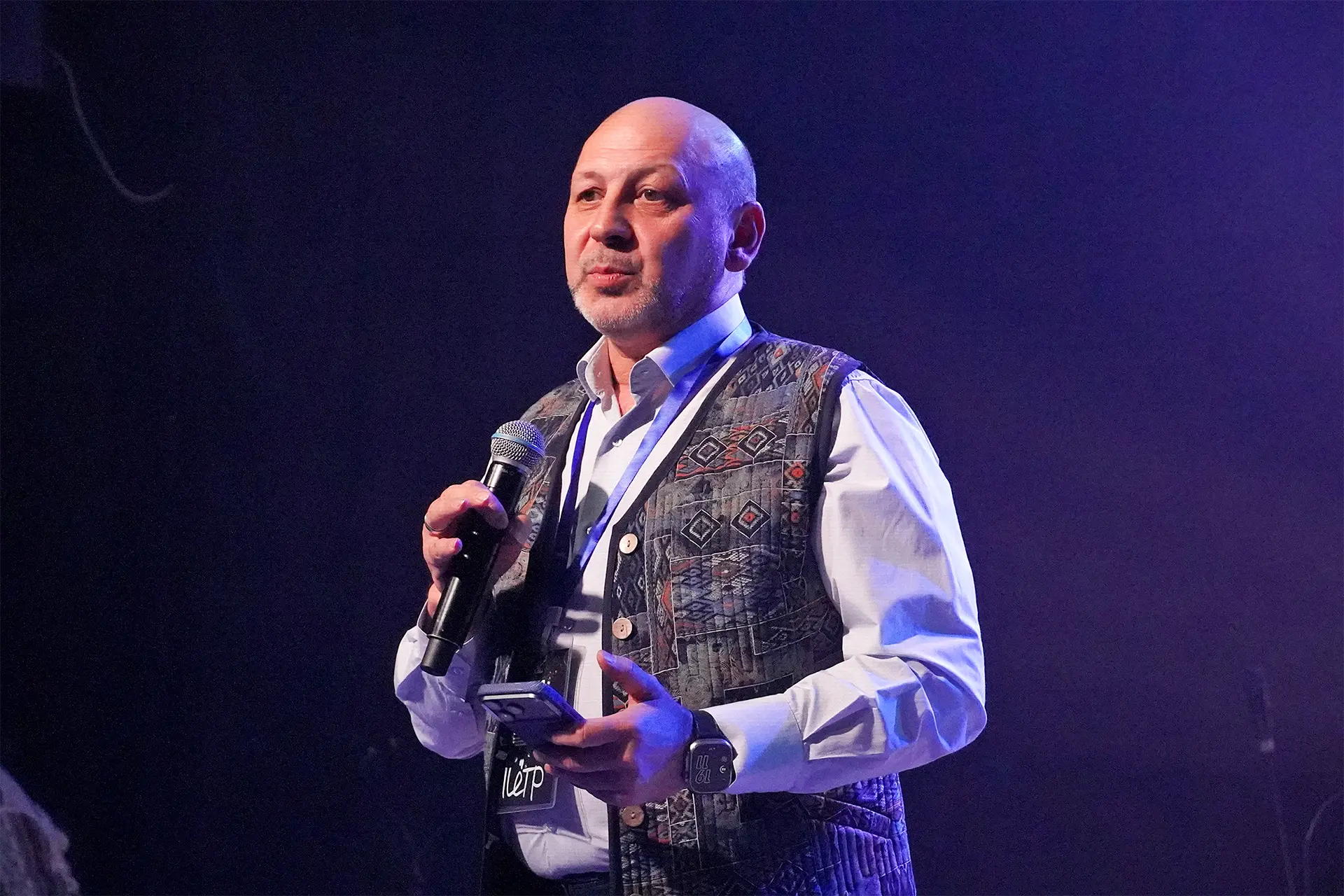

A significant contribution to the program and atmosphere of the conference was made by key ministers from Kazakhstan and neighboring states. Yuri Shumaev, Senior Pastor of the "Agape" church, Chairman of the Union of Christians of Evangelical Faith of Kazakhstan (UCEFK), and President of the Evangelical Alliance of Kazakhstan, noted the value of brotherly support and common goals in an era of rapid change. Igor Tsai, Senior Pastor of the "Agape" church in Astana and Deputy Chairman of UCEFK, focused the participants' attention on generational continuity and the role of the local church in developing the institutions of family and youth. Jabbar Aliev, Pastor of the "Word of Life" church from Turkmenistan, testified through his participation to the ongoing dialogue, faithfulness to the calling, and spiritual resilience of leaders even in challenging regional contexts.

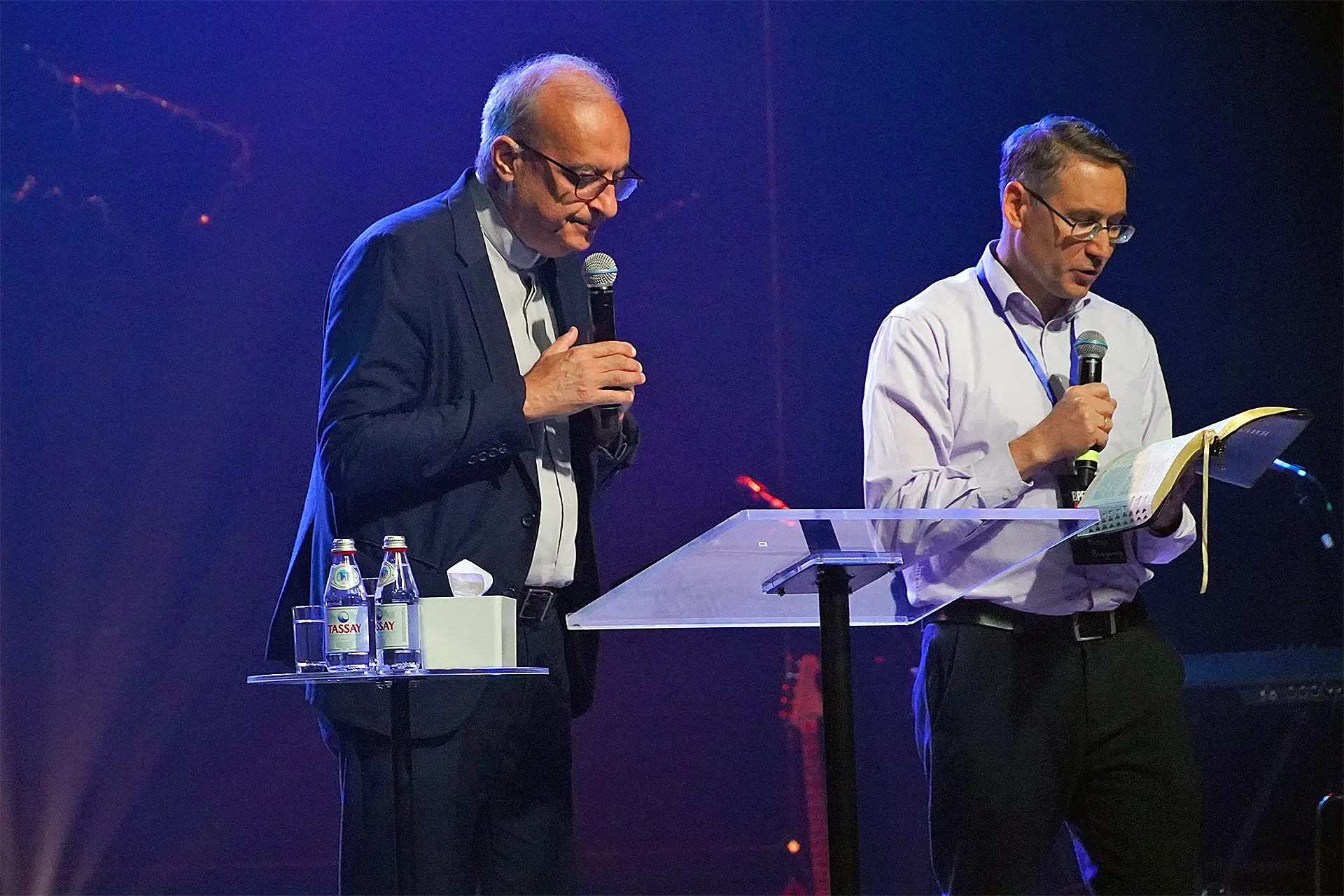
A landmark moment for the entire regional brotherhood was the personal participation of the Secretary General and CEO of the World Evangelical Alliance, Botrus Mansour. Having taken office in 2025, he became the first Arab Christian leader in history to head the global organization representing over 600 million believers. A native of Nazareth, an experienced lawyer, and a longtime leader of evangelical structures in the Holy Land, Botrus Mansour shared his vision for global Christian ministry. His presence served as a vivid testimony to the unity of the worldwide evangelical family and highlighted the deep interconnectedness between the churches of the Middle East and Central Asia.
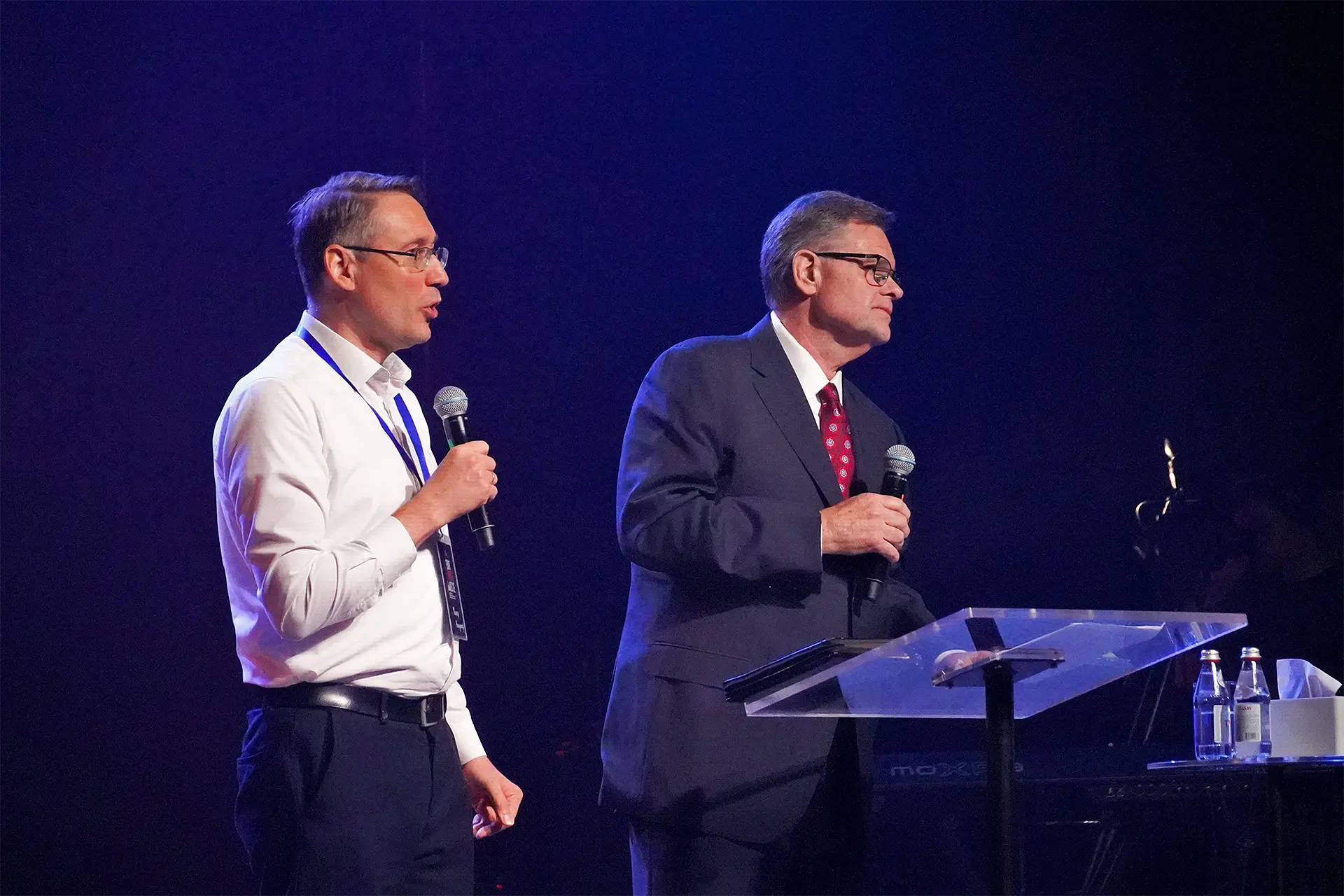
A special highlight of the program was the participation of international speaker Bob Roberts. Known for his many years of experience in building interfaith peace and global partnerships, he addressed the participants with a series of inspiring messages. The main focus of his speeches was on the social impact of the Church: how Christians can actively contribute to the well-being of their cities and villages; how faith should be expressed in honest entrepreneurship, charity, education, and caring for those in need; and how to overcome prejudices by building bridges of trust with the surrounding world. The speaker's thoughts resonated in the hearts of those present as a call to be not passive observers, but active peacemakers bringing real benefit to society.
The conference participants repeatedly returned to reflecting on the historical mission of the Alliance. Established in 2019, the Central Asian Evangelical Alliance is an organic part of the World Evangelical Alliance (WEA), which has a history spanning over 180 years. Today, the WEA unites over 600 million Christians across nine global regions. It was specifically noted that the Alliance is not a new denomination or a super-church hierarchy. Every fellowship and every local congregation fully retains its historical identity, doctrinal distinctives, and independence. The Alliance serves as a universal platform under the motto "Leadership • Community • Collaboration" and addresses three key tasks: overcoming isolation and creating a space for brotherly friendship, sharing best practices in social ministry, and providing coordinated assistance to people for the prosperity of the Central Asian countries.
Three days of rich plenary sessions, round tables, and informal networking concluded with a shared understanding: the Church in Central Asia has a common calling. Different nations, languages, cultures, and forms of ministry do not divide believers; on the contrary, they enrich the overall picture of the Christian presence in the region. The 2026 Central Asian Evangelical Alliance Conference in Almaty laid a solid foundation for new joint initiatives, reaffirming the readiness of Christian leaders to continue the path of faithful service to God, their countries, and their peoples.


